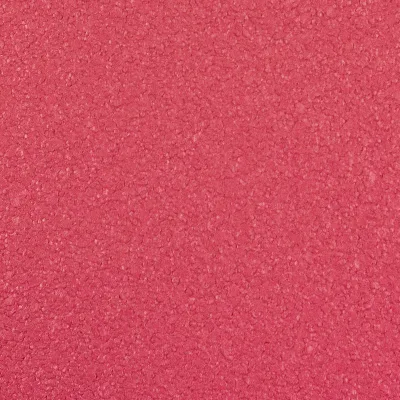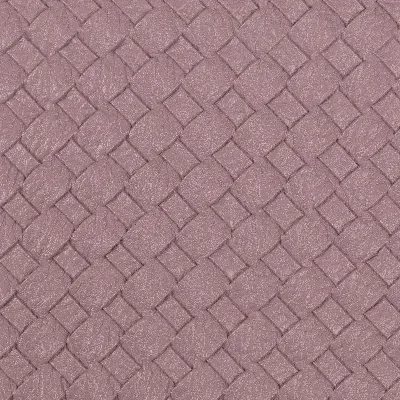
Faux Leather Rex Metallic Solid Purple by Swafing
€7.95per 0.5 m
Unit price €15.90 / m
Free shipping within Germany from €50 · Pay securely with PayPal and Klarna

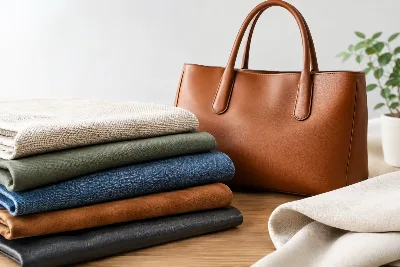
Faux leather does not fray, can be wiped clean and takes a lot of wear. That makes it the standard material for bags, cases, rucksacks and appliqué – and thanks to softer qualities it is suitable for clothing as well.
€7.95per 0.5 m
Unit price €15.90 / m
€7.95per 0.5 m
Unit price €15.90 / m
€7.95per 0.5 m
Unit price €15.90 / m
€8.95per 0.5 m
Unit price €17.90 / m
€8.95per 0.5 m
Unit price €17.90 / m
€8.95per 0.5 m
Unit price €17.90 / m
€7.45per 0.5 m
Unit price €14.90 / m
€6.00per piece
Unit price €17.14 / m²
€6.50per piece
Unit price €18.57 / m²
€6.50per piece
Unit price €18.57 / m²
€5.50per piece
Unit price €15.71 / m²
€7.45per 0.5 m
Unit price €14.90 / m
€3.75per 0.5 m
Unit price €7.50 / m
€3.75per 0.5 m
Unit price €7.50 / m
€8.45per 0.5 m
Unit price €16.90 / m
Faux leather consists of a backing with a plastic coating. The surface is closed, so cut edges do not fray and need no finishing. That saves working steps and keeps bag edges flat.
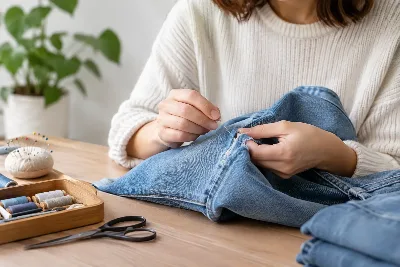
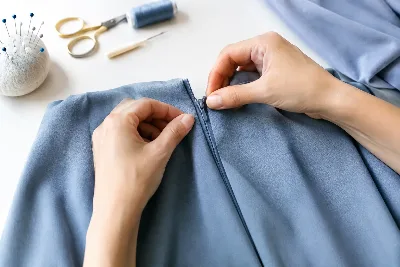
Needle holes remain visible though, because the material does not close up again. Only pin within the seam allowance or work with fabric clips. A teflon or roller foot stops the surface from sticking to the presser foot; press at most from the wrong side at a low temperature with a cloth in between. Use a slightly longer stitch as well, because closely spaced needle holes weaken the material along the seam line.
The smooth coating grips the metal. A teflon foot, a roller foot or a strip of paper between foot and fabric solves this immediately; the paper is simply torn away after sewing.
Better not on the visible surface, because every hole remains. Use fabric clips or place pins exclusively in the seam allowance where the marks are hidden later.
No. The edge stays closed and does not fray. You can still topstitch it or bind it with bias binding for a neat finish, but that is a purely visual decision.