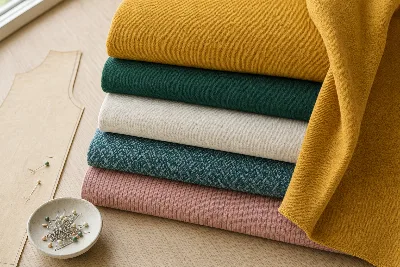
 Jersey and Sweatshirt Fabric
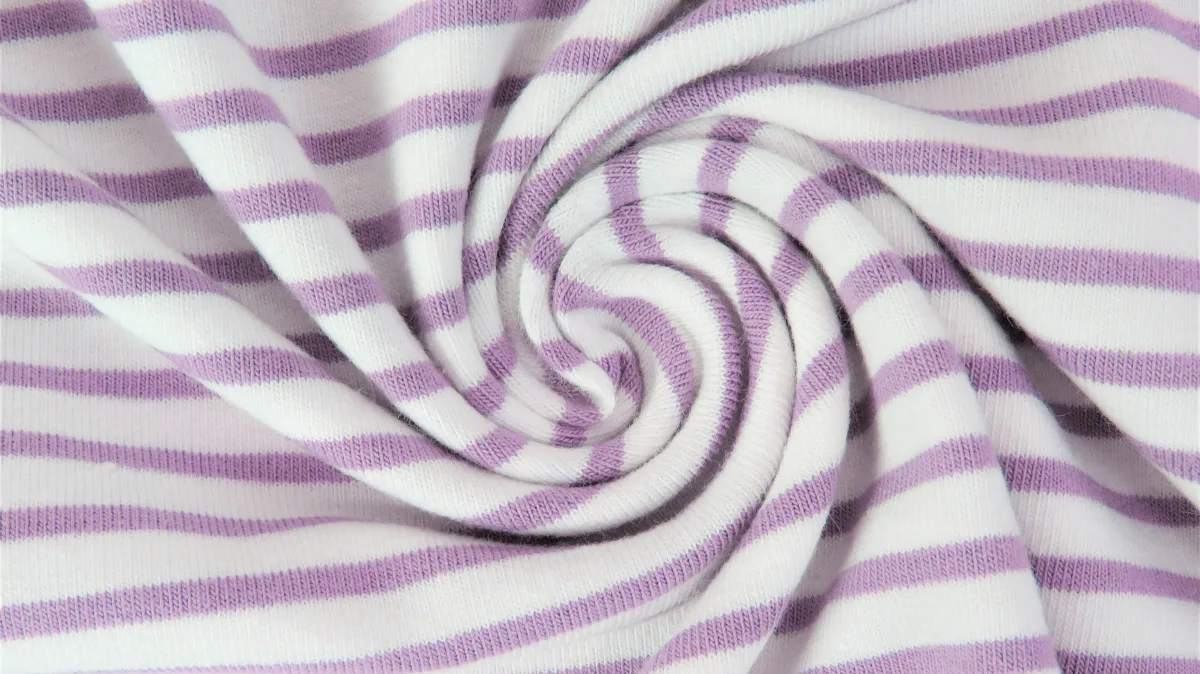
Cotton Jersey Stripes in White/Lilac
Item no. 20838
€6.45per 0.5 m
Unit price €12.90 / m · incl. VAT, plus shipping
Cotton Jersey Stripes in White/Lilac: 145 cm wide, 220 g/m², made from 95 % cotton and 5 % elastane. Sold by the metre. Wash once before cutting.
in stock
Delivery time approx. 3–5 working days
Free shipping within Germany from €50
- Fabric type
- jersey
- Material
- 95 % Baumwolle, 5 % Elasthan
- Width
- approx. 145 cm
- Weight
- approx. 220 g/m²
- Colour
- Weiß/Flieder
- Pattern
- Streifen
- Care
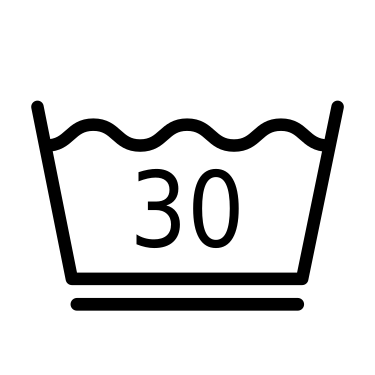 Wash at 30°C, mild cycle
- iron
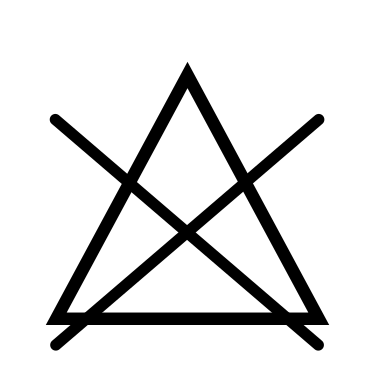 Wash without fabric softener or bleach
 Do not tumble dry
- Certificate
- OEKO-TEX® Standard 100
- Muster
- Streifen
- Gewicht
- 220 g/m²
- Breite
- 145 cm
Description
Cotton jersey combines two things that rarely meet: tough enough for daily wear and soft enough for a baby's skin. Weight per square metre comes to 220 g/m², width to 145 cm. It is woven from 95 % cotton and 5 % elastane.
In White/Lilac the fabric stays restrained. It does not push forward but lets cut and construction do the talking. Stripes ask for attention while cutting: they should meet at the seams. Stretch runs across the web; align your pattern pieces accordingly, otherwise the piece sits wrong later.
What Cotton Jersey Stripes in White/Lilac is suitable for
- dresses and skirts
- hoodies and sweat jackets
- cuffs and finishes
Care instructions:
Frequently asked questions
Why does the cut edge curl?
Because knits are made of loops that relax when cut. That is normal and no fault. While cutting it helps to keep the fabric flat and to use a rotary cutter.
How much fabric do I need?
That depends on the pattern and the fabric width. As a rule of thumb an adult shirt takes about twice the body length, less on wide goods. Add seam allowances and cuffing.
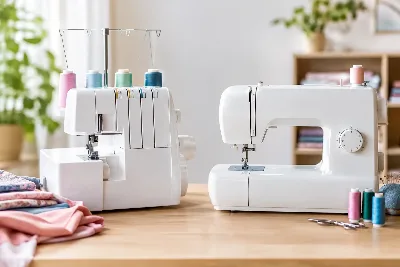
Do I need an overlocker?
Not necessary, but convenient. Everything works with a stretch stitch on a domestic machine — it only takes longer, since sewing and finishing stay two steps.
Which needle do I need?
A jersey or stretch needle with a ball point. It pushes the loops aside instead of piercing them. A universal needle leaves small holes that later run into ladders.