 Sewing Techniques
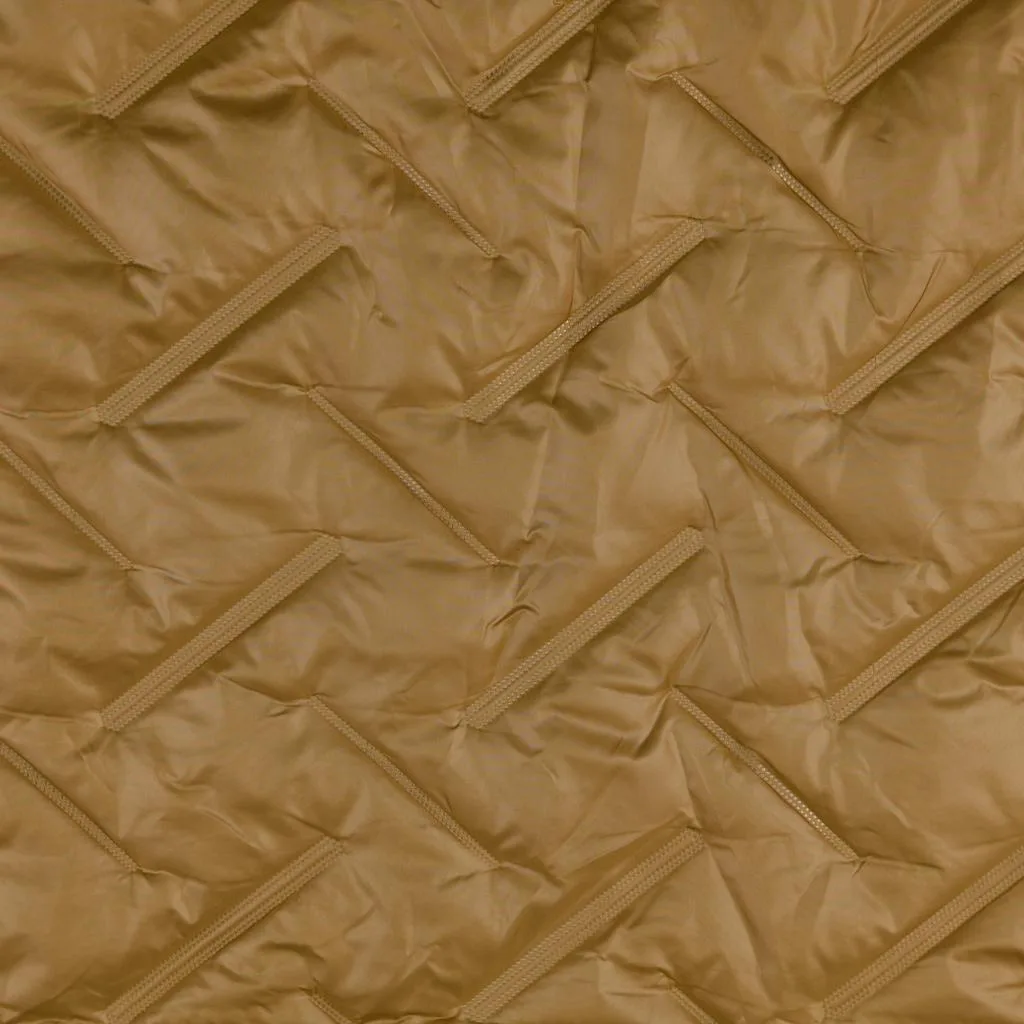
Quilted Fabric in Sand
Item no. 22636
€7.95per 0.5 m
Unit price €15.90 / m · incl. VAT, plus shipping
This quilted fabric in Sand measures 145 cm across and weighs 262 g/m²; its composition reads 100 % polyester. Available by the metre. Wash once before cutting.
in stock
Delivery time approx. 3–5 working days
Free shipping within Germany from €50
- Fabric type
- other
- Material
- 100 % Polyester
- Width
- approx. 145 cm
- Weight
- approx. 262 g/m²
- Colour
- Sand
- Care
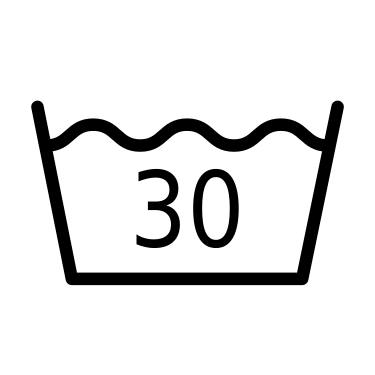 Wash at 30°C
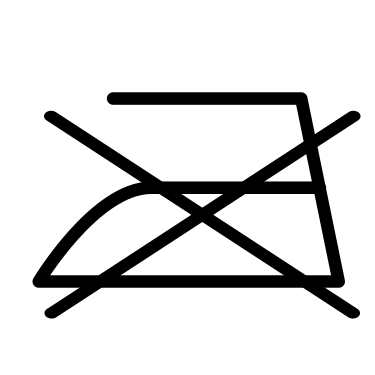 Do not iron
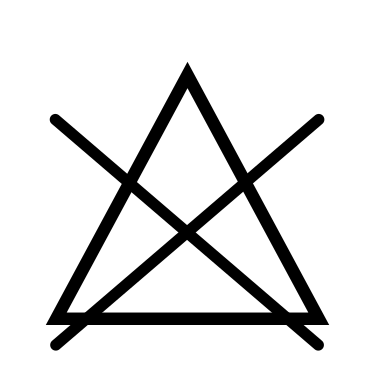 Wash without fabric softener or bleach
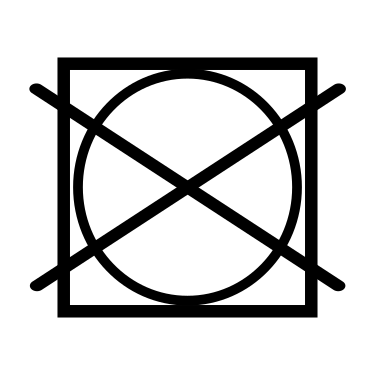 Do not tumble dry
- Gewicht
- 262 g/m²
- Breite
- 145 cm
Description
Quilted fabric comes already lined and stitched: face, wadding and backing in one cut. At 262 g/m² and 145 cm wide the fabric suits the usual paper patterns. It is made from 100 % polyester.
With Sand you get a base tone that suits earth shades as readily as strong red or green. For gilets, jackets and anything meant to keep you warm, this is the right group of goods. If unsure, order a little more — a later order may come from a different batch. A sample answers more questions about handle and drape than any description.
What Quilted Fabric in Sand is suitable for
- Cushions and bedspreads, as the quilted fabric brings volume and texture.
- Bags and toiletry bags, as the filling pads them and gives them shape.
- Dog coats, because the fabric keeps warm without being heavy.
Care instructions:
Frequently asked questions
How do I wash the fabric?
At 30 degrees and with little detergent. Do not tumble dry; let it dry hanging or flat in the air. That way the wadding stays evenly distributed. Bleach is off limits according to the care label.
May I iron the fabric?
No, not according to the care label. Heat flattens the wadding and can make the face fabric shiny. Instead, topstitch the seam allowances close to the seam so they lie flat.
Do I need to finish the edges?
Yes, quilting stitches and wadding come loose at the cut edges. It is best to bind the edges with bias or piping tape; that looks neat and holds the layers together. An overlock seam is an alternative.
Which needle do I take?
A strong universal or jeans needle that pierces all layers cleanly. A longer stitch prevents the thick layers from puckering, and a walking foot makes sure the top and bottom layers feed evenly.