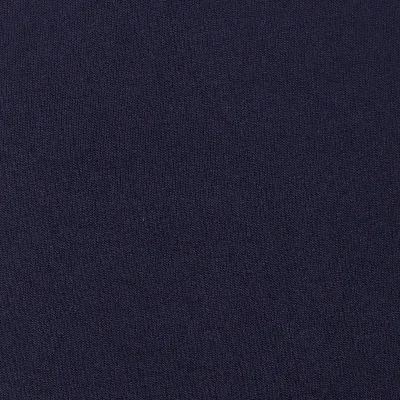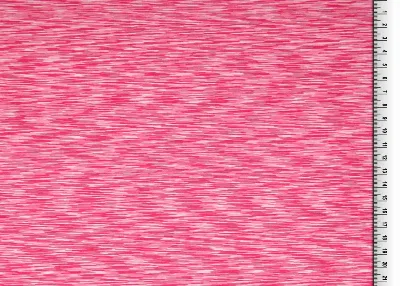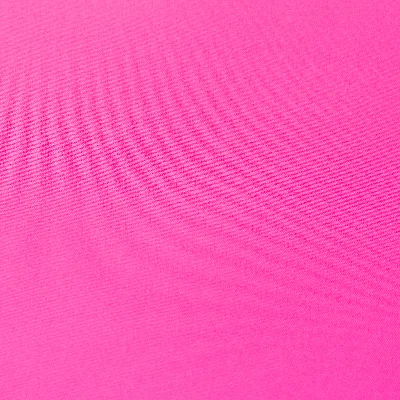
Softshell in Hot Pink
€8.45per 0.5 m
Unit price €16.90 / m
Free shipping within Germany from €50 · Pay securely with PayPal and Klarna

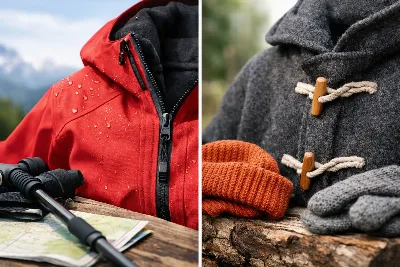
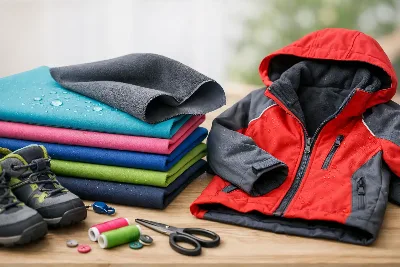
Softshell consists of several bonded layers: a dense weave outside, a soft fleece inside. The result is windproof, water repellent and still breathable – the standard fabric for transitional jackets.
€8.45per 0.5 m
Unit price €16.90 / m
€8.45per 0.5 m
Unit price €16.90 / m
€8.45per 0.5 m
Unit price €16.90 / m
€6.95per 0.5 m
Unit price €13.90 / m
€9.45per 0.5 m
Unit price €18.90 / m
€5.00per 0.5 m
Unit price €10.00 / m
Because the layers are bonded, softshell does not fray. Edges therefore need no finishing, which simplifies construction and keeps seams flatter.
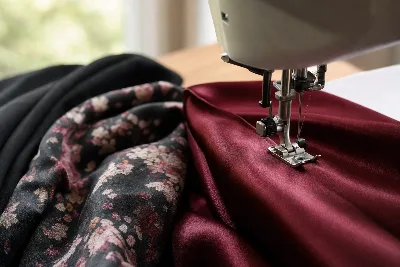
When sewing, use clips instead of pins, as needle marks stay visible and compromise the weather protection. A universal or jeans needle and a longer stitch are the right choice.
Press at most from the reverse at low temperature. The membrane and the bonding do not tolerate heat; when in doubt, work with clips and topstitching rather than pressing.
For zips and pockets, allow for the thickness of the fabric: several layers of softshell quickly add up, and a lighter lining keeps the finished jacket comfortable.
No, it is water repellent. Light rain beads off, but in prolonged heavy rain water comes through the seams. For genuine waterproofing you need rainwear fabric with taped seams.
No. The bonded layers hold the edge together and it does not fray. You can leave the edge raw or topstitch it for a neat look.
A universal needle in size 90 is usually enough. For thick qualities or several layers a jeans needle is safer, as it penetrates the bonded layers better.