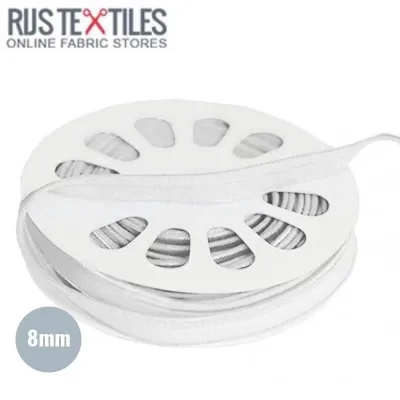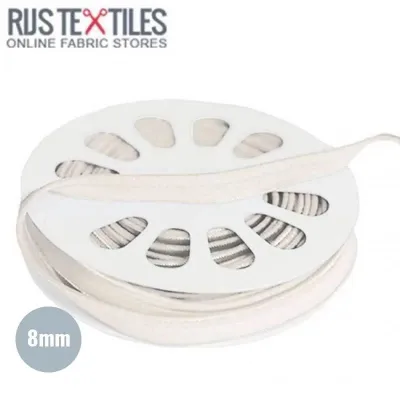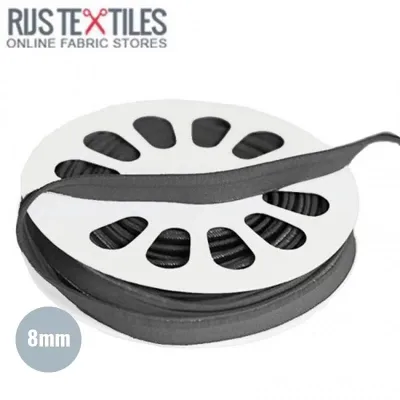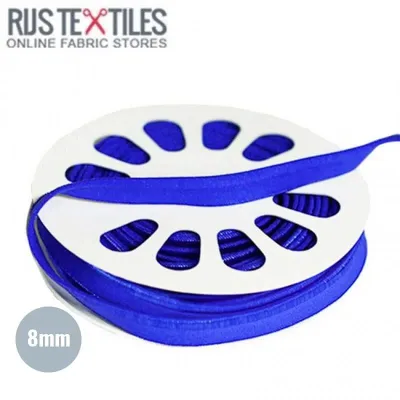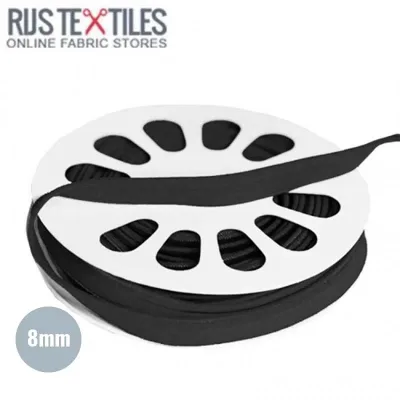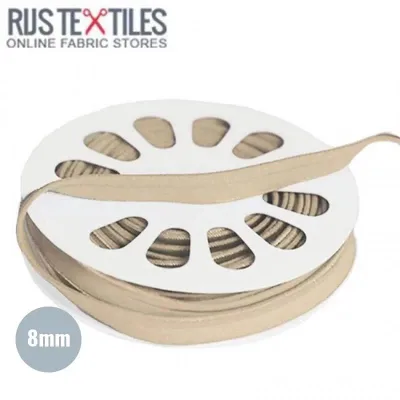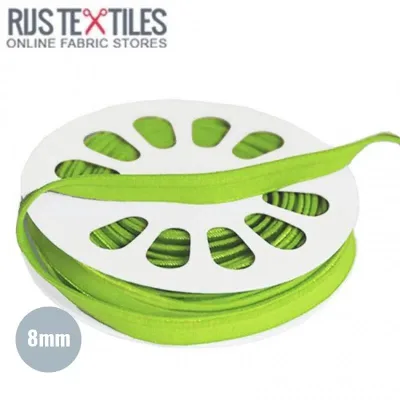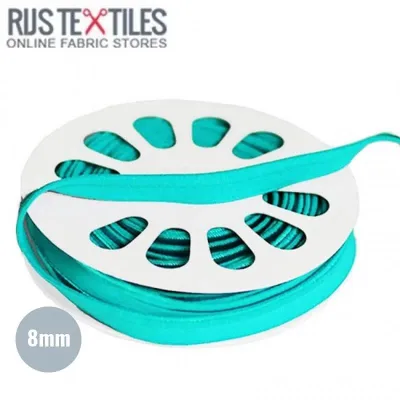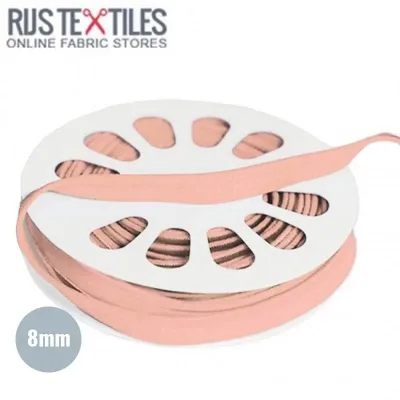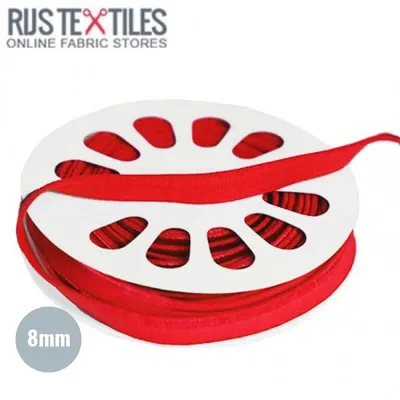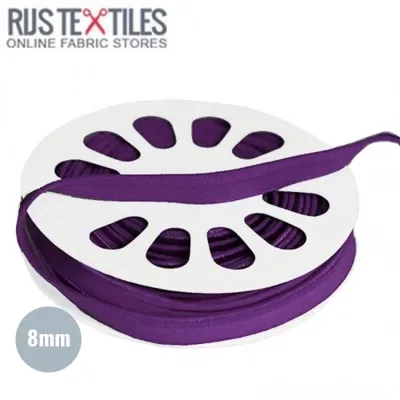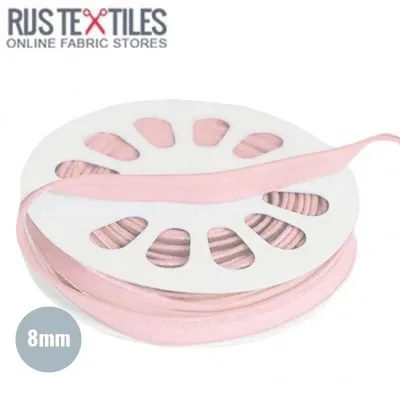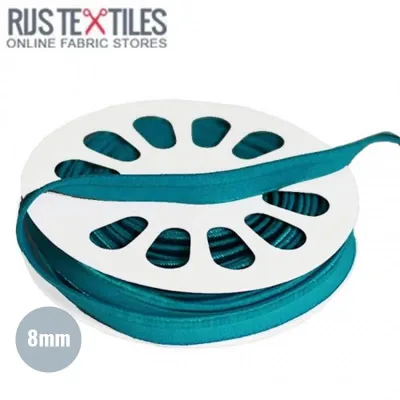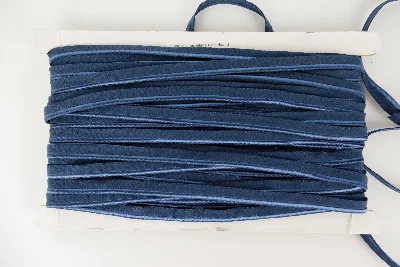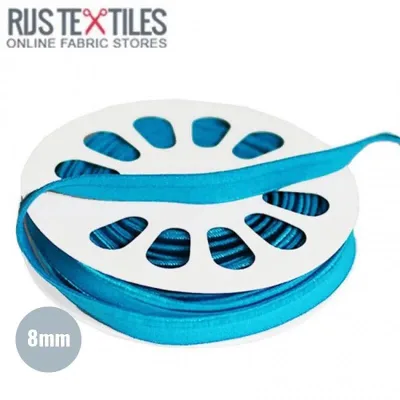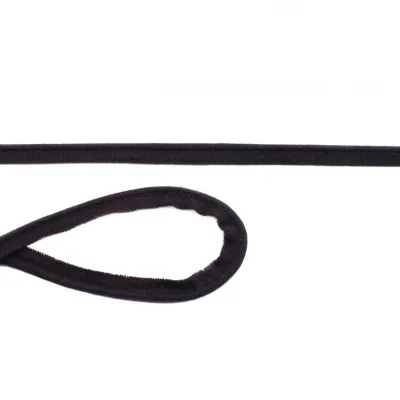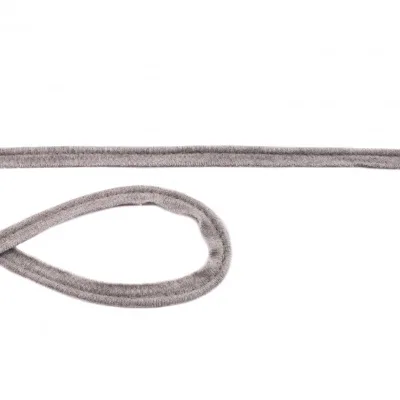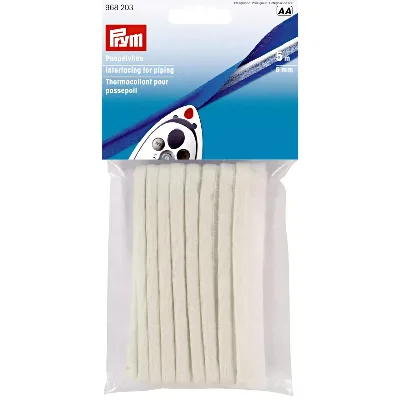
Prym hemming tape in White
€11.50per piece
Free shipping within Germany from €50 · Pay securely with PayPal and Klarna

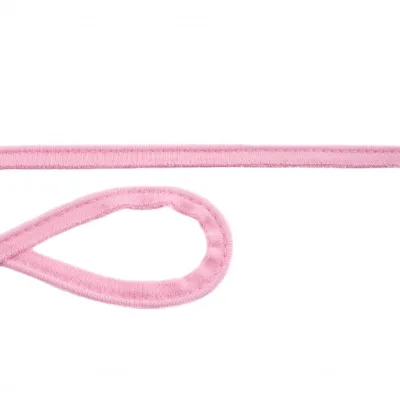
Piping consists of a narrow cord enclosed in a fabric strip. Sewn into a seam, only the rounded edge shows – a fine line that emphasises edges and panel seams.
€11.50per piece
€0.98per 0.5 m
Unit price €1.95 / m
€0.98per 0.5 m
Unit price €1.95 / m
€0.98per 0.5 m
Unit price €1.95 / m
€0.98per 0.5 m
Unit price €1.95 / m
€0.98per 0.5 m
Unit price €1.95 / m
€0.98per 0.5 m
Unit price €1.95 / m
€0.98per 0.5 m
Unit price €1.95 / m
€0.98per 0.5 m
Unit price €1.95 / m
€0.98per 0.5 m
Unit price €1.95 / m
€0.98per 0.5 m
Unit price €1.95 / m
€0.98per 0.5 m
Unit price €1.95 / m
€0.98per 0.5 m
Unit price €1.95 / m
€0.98per 0.5 m
Unit price €1.95 / m
€0.98per 0.5 m
Unit price €1.95 / m
€0.98per 0.5 m
Unit price €1.95 / m
€0.98per 0.5 m
Unit price €1.95 / m
€0.98per 0.5 m
Unit price €1.95 / m
€0.98per 0.5 m
Unit price €1.95 / m
€0.98per 0.5 m
Unit price €1.95 / m
€0.98per 0.5 m
Unit price €1.95 / m
€0.90per 0.5 m
Unit price €1.80 / m
€0.90per 0.5 m
Unit price €1.80 / m
€0.90per 0.5 m
Unit price €1.80 / m
The effect is restrained yet effective. On a cushion cover the piping draws a clean edge, on a bag it separates front and side panel, on clothing it emphasises yokes and panel lines.
It is sewn between two fabric layers. A zipper foot is almost essential, as it guides the needle close along the cord – otherwise the seam stays visible beside the piping.
At corners, clip the seam allowance of the piping so it wraps around the edge. On curves, slight stretching or a few extra clips is usually enough.
Elastic piping belongs on knits, firm piping on wovens. Sewing a firm tape into a stretchy seam blocks the stretch and the seam tears under strain.
Ideally a zipper foot or a dedicated piping foot. Both guide the needle close along the cord, so the seam does not remain visible beside the piping.
Clip the seam allowance of the tape almost up to the cord. The tape then wraps around the corner without bunching or lifting the edge.
Whenever the seam has to stay stretchy – on jersey and other knits. A firm tape blocks the stretch and the seam can tear when the garment is put on.