

 Sewing Techniques
Juna series · 23 colours
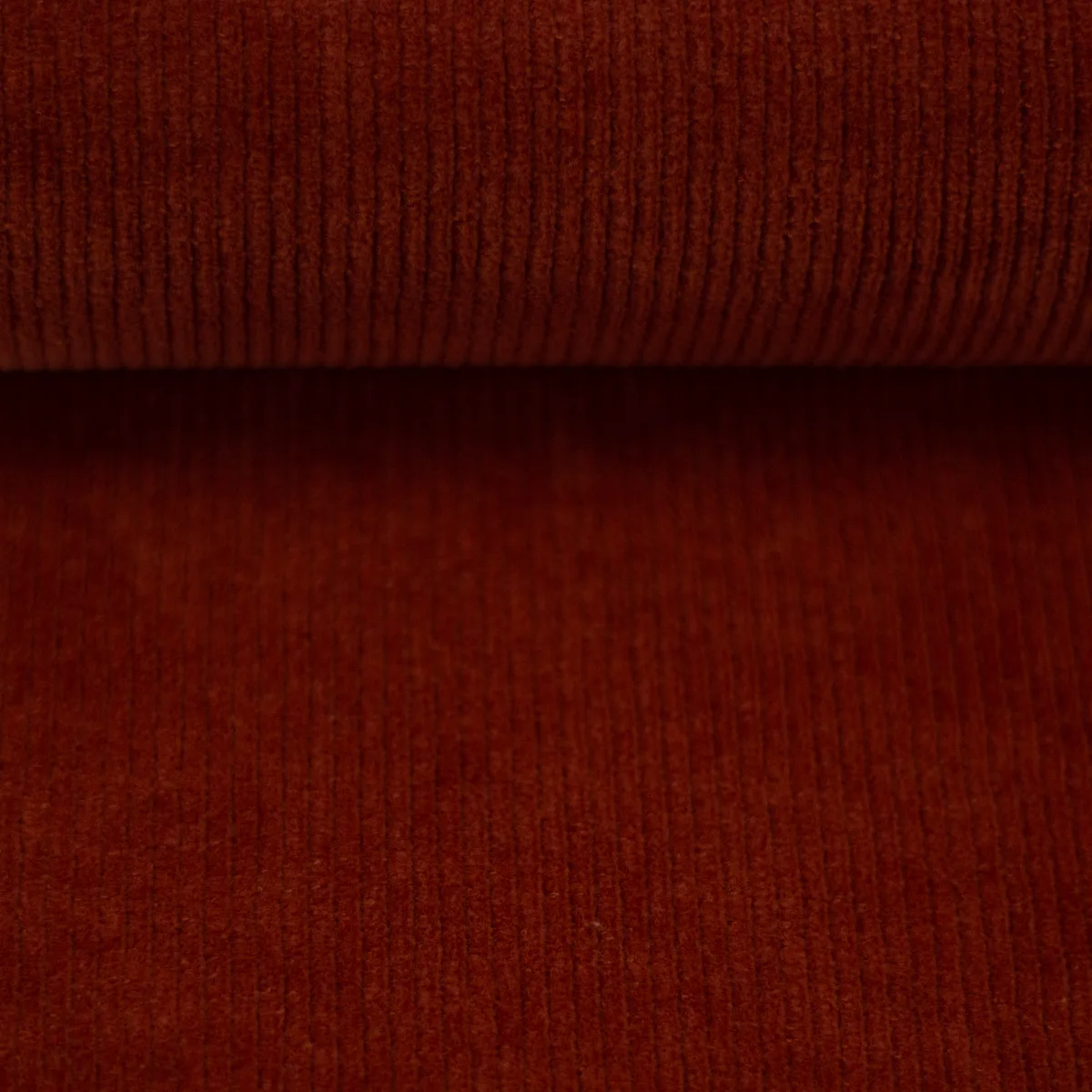
Corduroy in Terracotta
Item no. 24780
€9.45per 0.5 m
Unit price €18.90 / m · incl. VAT, plus shipping
Corduroy in Terracotta: 155 cm wide, 320 g/m², made from 73 % cotton, 5 % Elastan and 22 % polyester. Sold by the metre. Wash once before cutting.
Colour: Terracotta
only a few left
Delivery time approx. 3–5 working days
Free shipping within Germany from €50
- Fabric type
- Woven
- Material
- 73 % Baumwolle, 5 % Elastan, 22 % Polyester
- Width
- approx. 155 cm
- Weight
- approx. 320 g/m²
- Colour
- Terrakotta
- Care
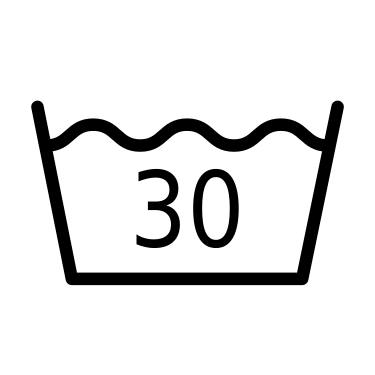 Wash at 30°C
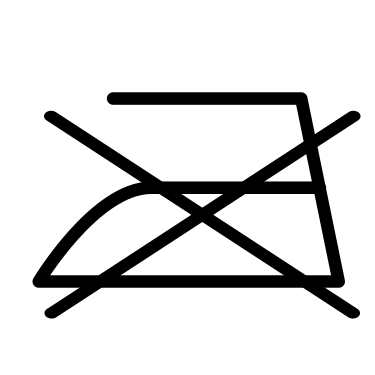 Do not iron
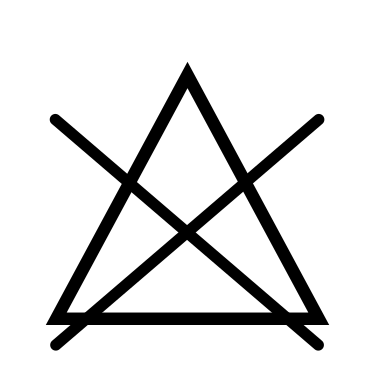 Wash without fabric softener or bleach
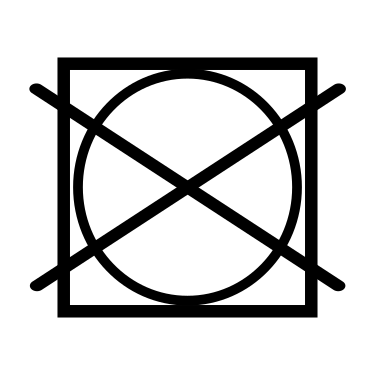 Do not tumble dry
- Gewicht
- 320 g/m²
- Breite
- 155 cm
- Grundfarbe
- Terrakotta
Description
Corduroy shows its typical lengthwise ribs and so reads velvety — warm to the touch and rugged in use. 155 cm wide, 320 g/m² — figures that tell you how heavily the fabric falls. Material: 73 % cotton, 5 % Elastan and 22 % polyester.
The tone Terracotta suits anything allowed to look autumnal — and in summer, linen and pale cotton. Wovens fray at the cut edge — so finishing belongs to every seam, whether by zigzag or overlocker. Before cutting, a look at the care symbols on the article pays off.
What Corduroy in Terracotta is suitable for
- skirts and dresses
- bags and pouches
- accessories and decor
Sewing tips
- Juna ist Maschenware: mit Jersey- oder Stretchnadel und elastischem Stich oder der Overlock nähen.
- Die Rippen haben eine Strichrichtung. Alle Teile gleich herum zuschneiden, sonst wirken sie unterschiedlich hell.
- Schnitte für Jersey oder Sweat verwenden, die Dehnung reicht für figurnahe Teile.
- Beim Nähen nicht ziehen, ein Obertransportfuß verhindert, dass sich die Lagen verschieben.
- Säume mit Zwillingsnadel oder Coverlock nähen, dann bleiben sie dehnbar.
- Bei 30 Grad waschen, nicht bleichen, nicht in den Trockner und nicht bügeln.
Available in more colours in the Juna series.
Care instructions:
Frequently asked questions
How do I press it?
At the usual cotton temperature and slightly damp. Before cutting it pays off especially: a smoothly pressed fabric cuts precisely, a creased one does not.
What do I do with offcuts?
Keep them, especially patterned ones. In patchwork the small cut is the rule, and narrow strips still serve for pocket bags, appliqué or binding. Narrow strips make bias binding, wider offcuts become pocket bags.
Why does the fabric fray at the edge?
Because a woven is made of crossed threads that loosen at a cut edge. That is normal. Finish with zigzag, an overlocker or an enclosed seam — otherwise the edge unravels further with every wash.
What do I watch for when cutting?
The grain. Pattern pieces are aligned parallel to the selvedge, otherwise the finished piece distorts. On patterned goods the motif direction comes on top. The grain line appears on the pattern piece as an arrow; it runs parallel to the selvedge.